
← Back to All Jewelry
Skip to product information
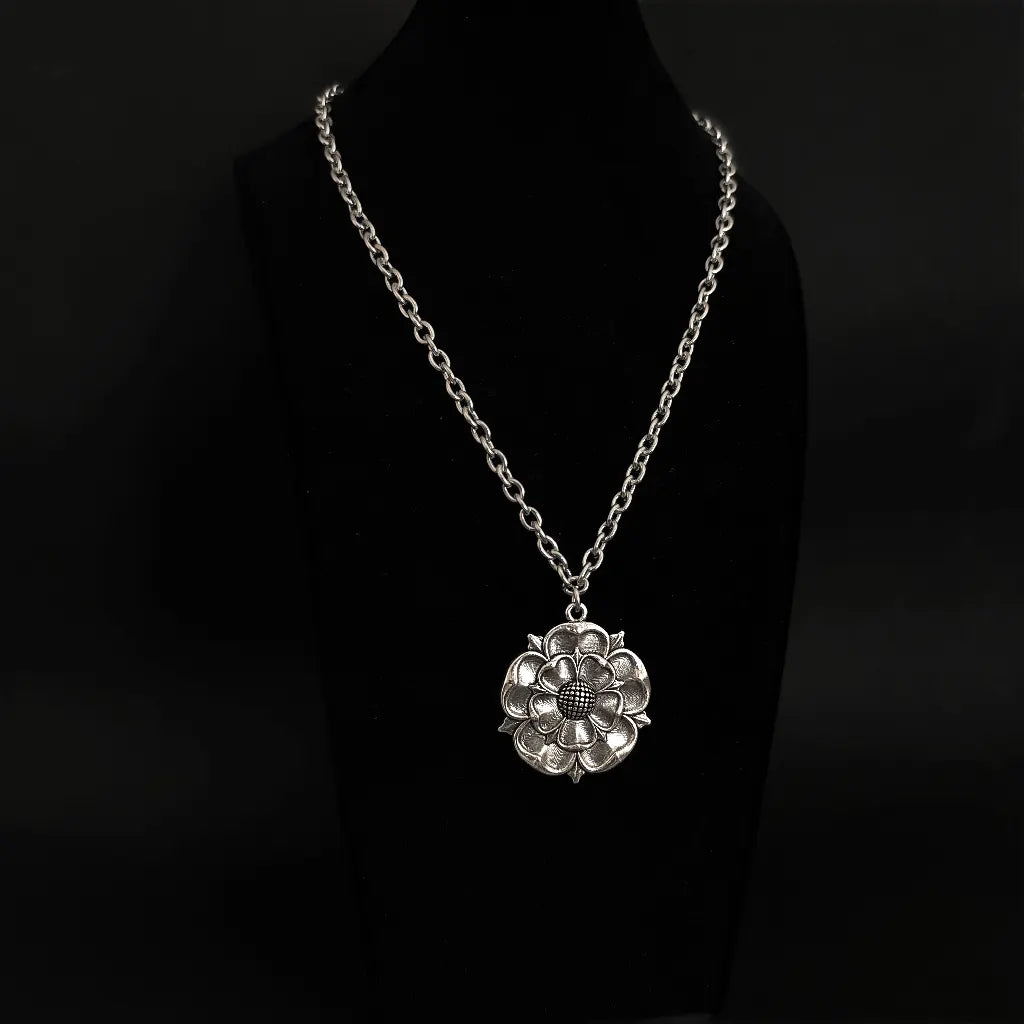
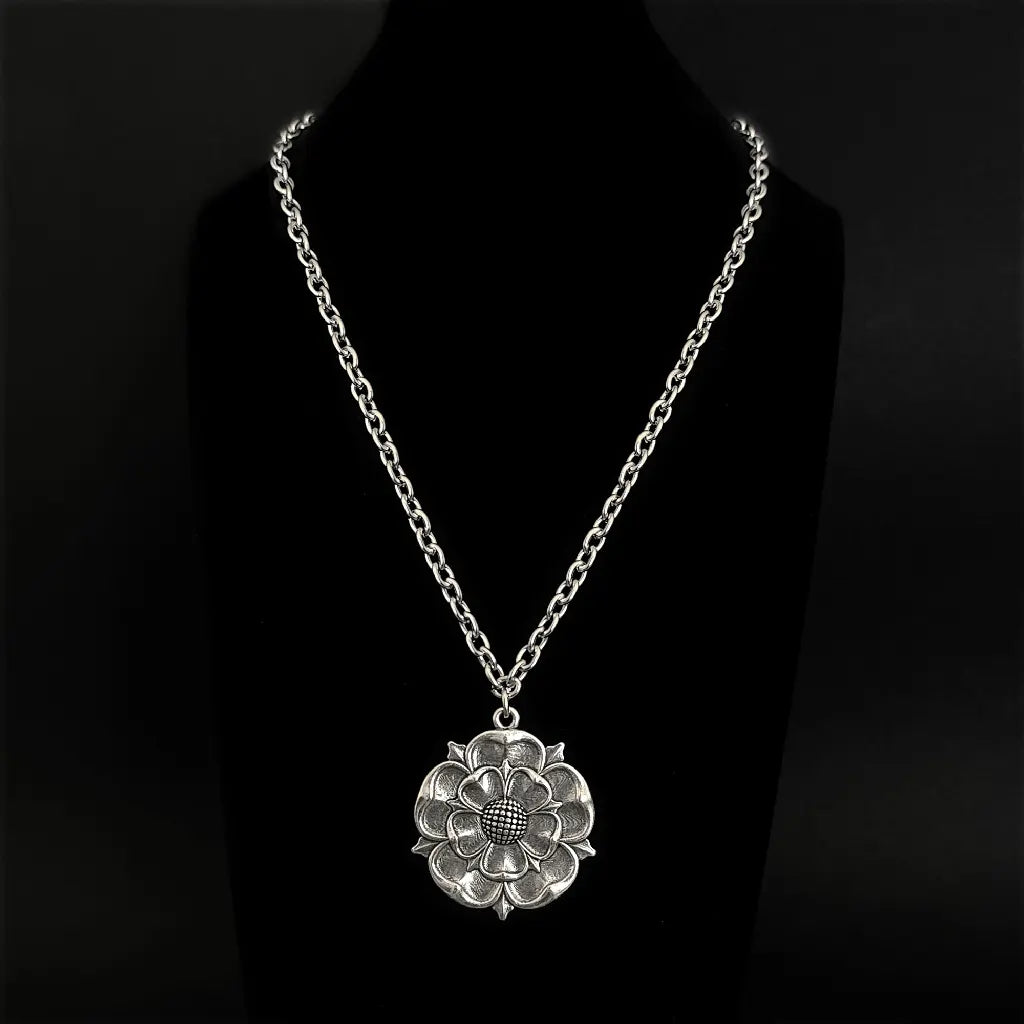
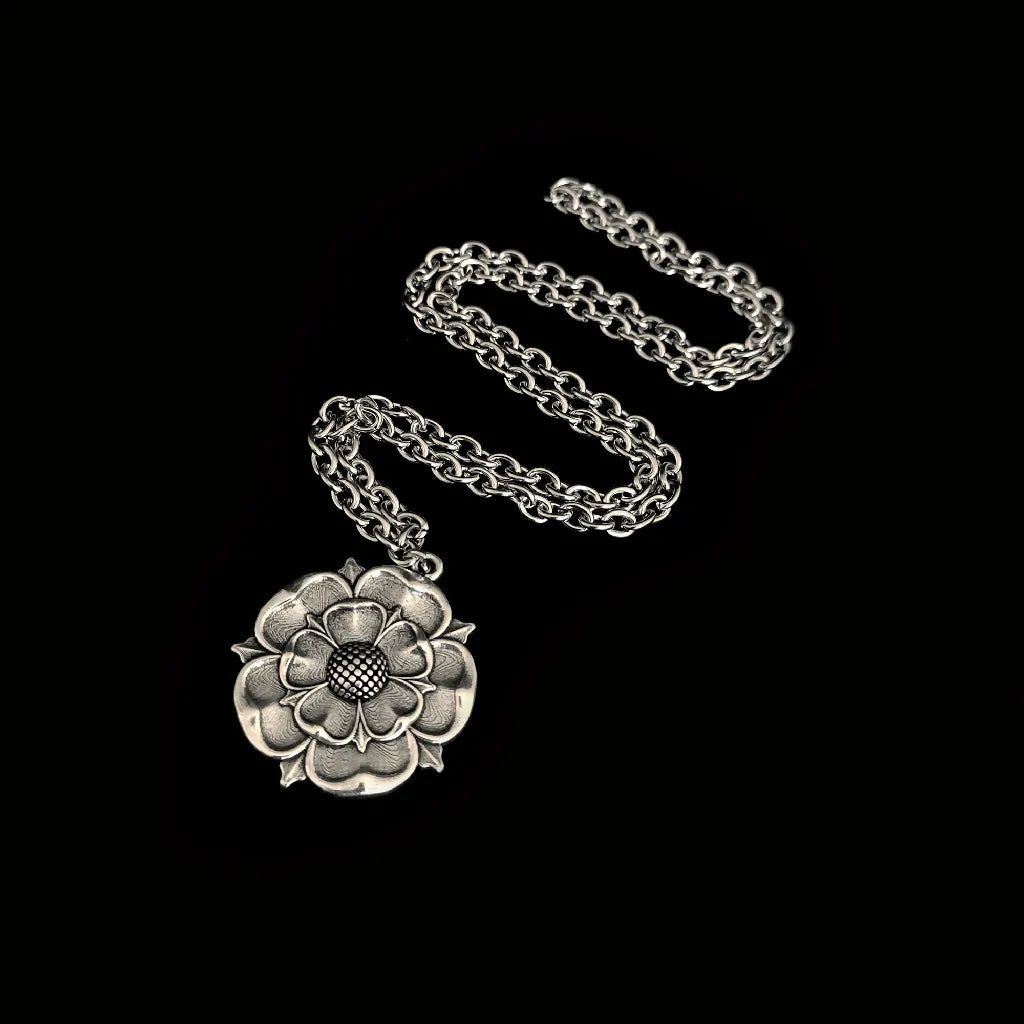
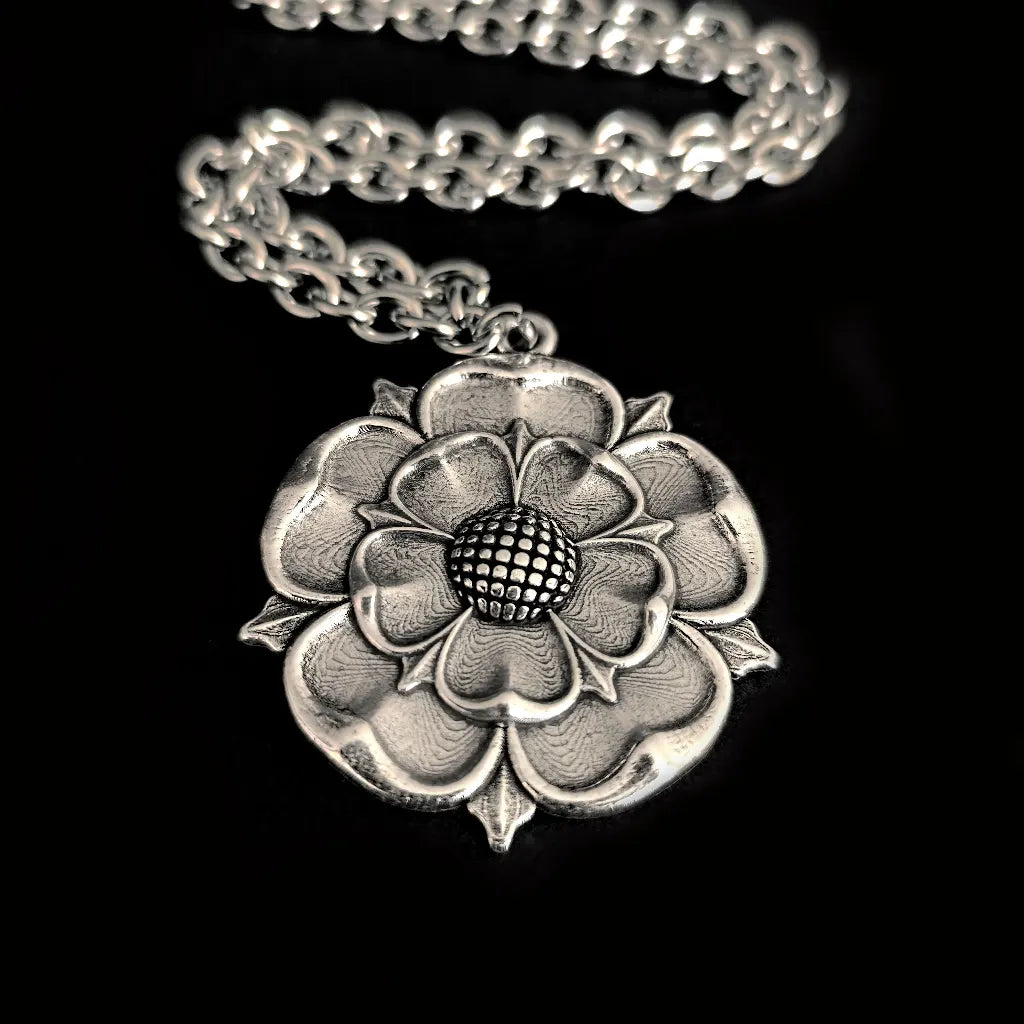
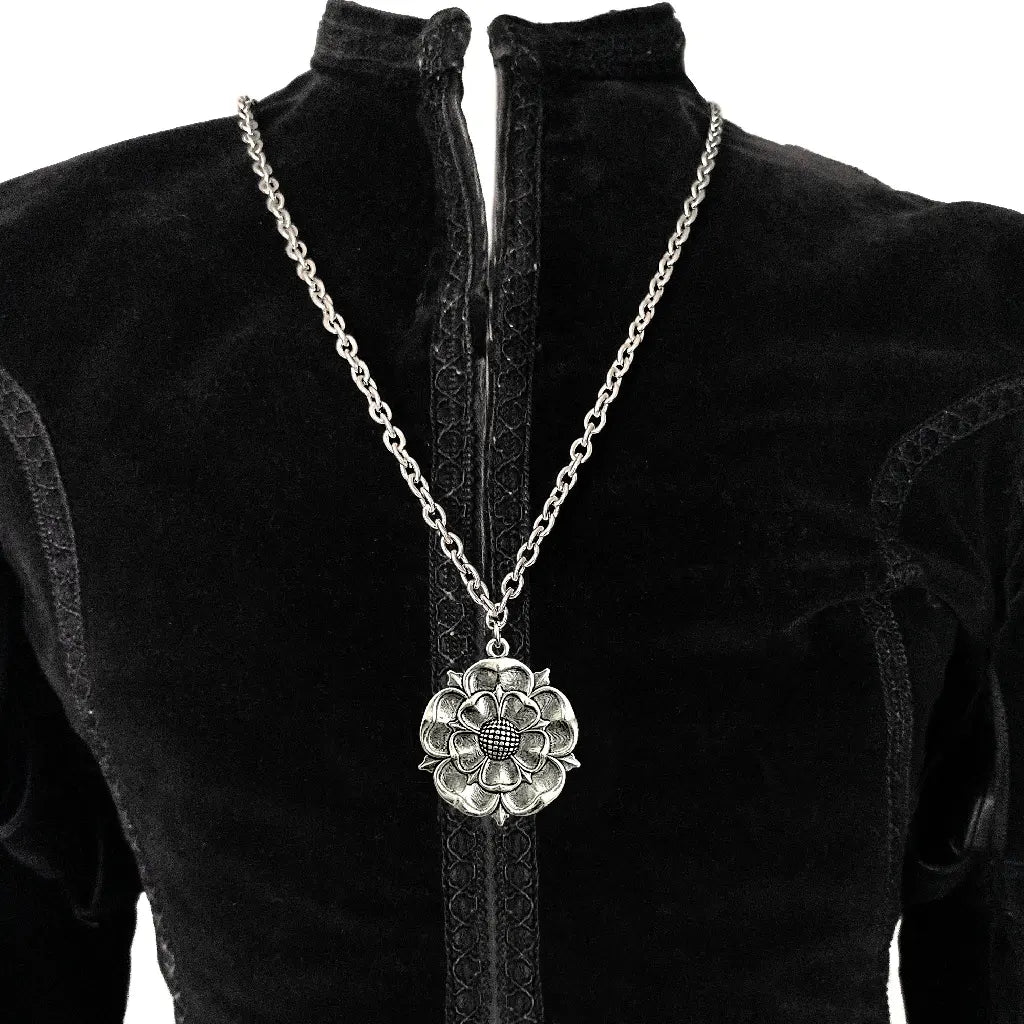
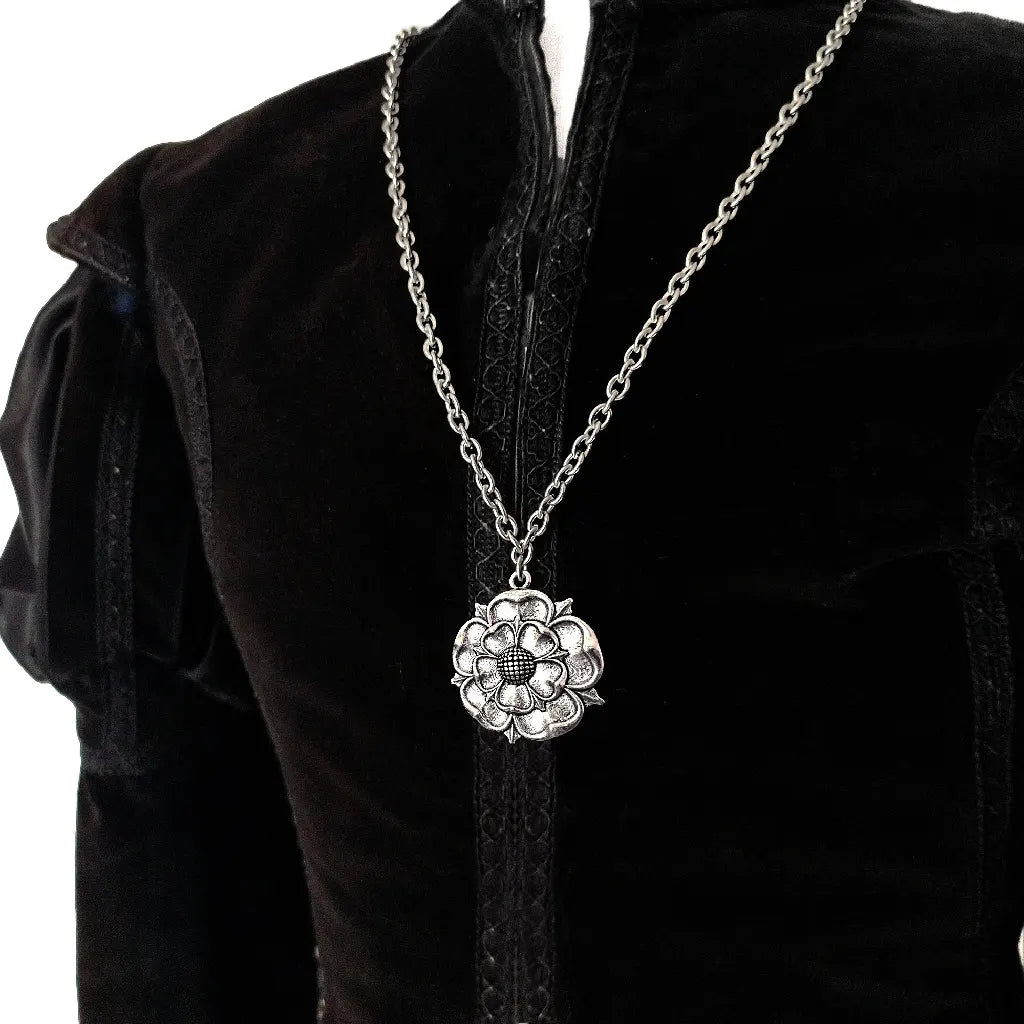
Tudor Rose Chain Silver
€39,90 EUR
Taxes included.
Shipping calculated at checkout.
Hand finished in Spain
Prepaid Duties (US)
Tracked Shipping
A statement piece steeped in Tudor heritage, this silver chain features a commanding central rose pendant with pronounced heraldic relief. The substantial weight and presence demand attention, ideal for historical reenactment and period dress. Meaning transcends size here; the iconic motif carries centuries of symbolism, making this a bold choice for those who wear history intentionally.
Story & historical basis
Materials, size & closure
Jewelry Care
Content & image transparency
Some product texts and gallery images may be created with the support of digital or AI-assisted tools. This may include product descriptions, feature sections, historical notes, translations, background editing, styling scenes, model references, neck references or visual context.
All product information is manually reviewed before publication, especially materials, measurements, finishes, historical inspiration, availability and the real characteristics of each piece. The actual product itself is not altered in AI-assisted images.
The main product photos show the real item. Any AI-assisted or AI-generated visual context is used only to help suggest atmosphere, styling or approximate wear, and does not replace the real product photos, measurements, materials or product description.